Good record-keeping has never really been about the spreadsheet. It is about whether you can put your hand on the right record, for the right property, at the moment someone asks for it. A tenant can request your Healthy Homes compliance records and you have 21 days to produce them. A bond dispute can turn entirely on a move-in condition report and a set of dated photos. In both cases the record either exists in one findable place, or it does not.
It is tempting to read this as a filing problem and to answer it with another tab, another shared folder, another naming convention everyone promises to follow. That works until the portfolio grows, a colleague moves on, or the one inspection you need sits in an email attachment from eighteen months ago.
The property managers who stay calm through audits and disputes are not the ones with the tidiest spreadsheet. They are the ones whose properties, tenants and inspection history live in a single place, where every record is attached to the property it belongs to and can be found in minutes rather than hours.
The real cost of a scattered rent roll
Most rent rolls do not fail for lack of information. The information is there. It is just spread across a leasing spreadsheet, a maintenance inbox, a folder of inspection photos on someone's phone, and a drawer of signed paper. Each of those made sense on the day it was created. Together they mean that answering a simple question, such as when a property was last inspected and what condition it was in, can take half an afternoon.
That gap has a cost, and it tends to arrive at the worst moment. The new regulatory regime for residential property managers is raising the bar on conduct and record standards across the sector, not lowering it. At the same time, the record you cannot produce quickly is the one a tenant, an owner or an adjudicator is asking for.
What one place actually means
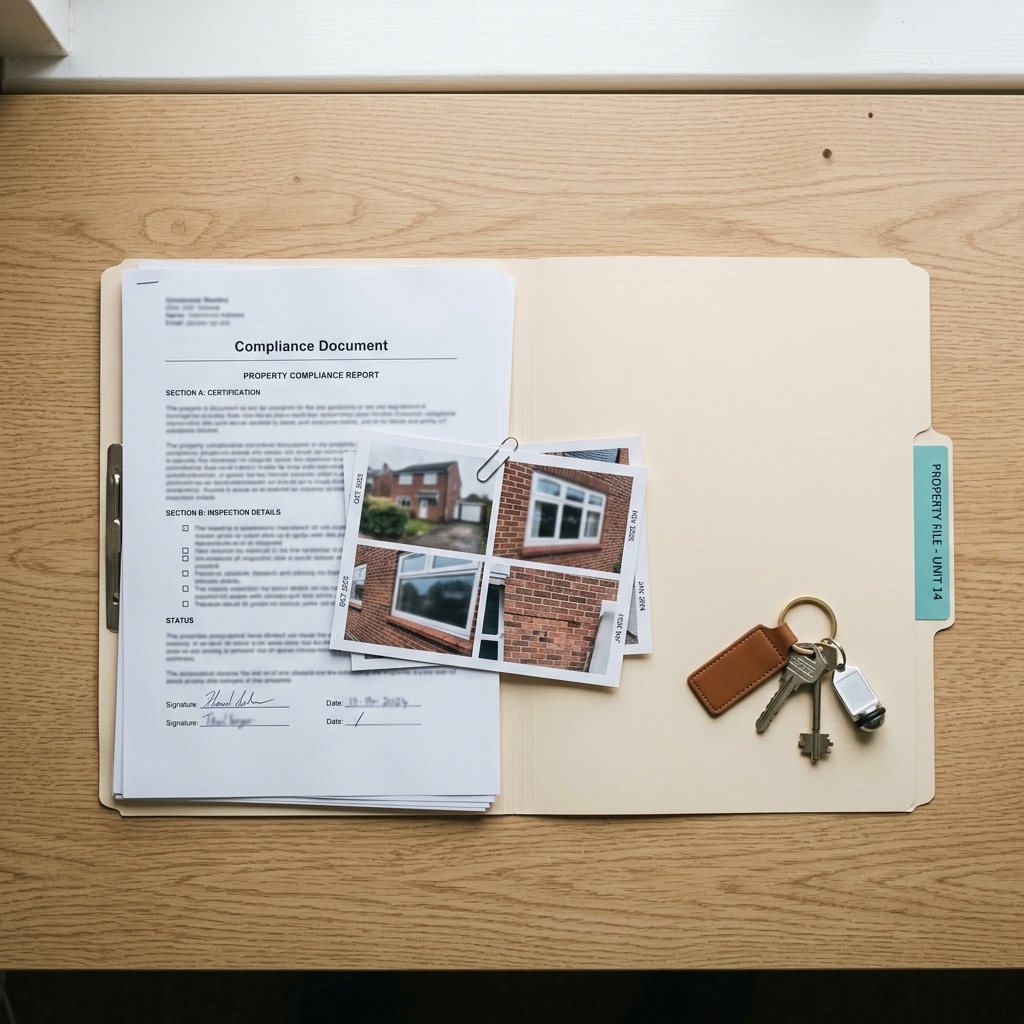
Bringing a portfolio together is not about having fewer documents. It is about having every document attached to the property it belongs to, so the full picture is one click away rather than one search party.
What lives in a single property file
Kept on the property
Healthy Homes records, insurance and maintenance history held against the property, not in someone's inbox.
Linked to the property
The current tenancy, contact details and history, connected to the home they occupy.
A timeline you can hand over
Dated inspection reports and photos that build a record instead of a memory.
Bringing your portfolio in without a big migration

The reason most managers stay on spreadsheets is not loyalty to the spreadsheet. It is the fear that moving will take weeks. It does not have to. You can bring the portfolio across in a single pass and start from what you already have.
- 01
Import your properties in one file
Export your current property list to a CSV, then upload it. Each row becomes a property, so the whole portfolio arrives in one step instead of one form at a time, and you get a results file back showing exactly what came in.
- 02
Or add a property on its own
Adding a single new management is a short form with the address and the details that matter. Each property gets its own file from day one, ready for documents and inspections.
- 03
Find a tenant who is already known
Before creating a new tenant, search to see whether a profile already exists. If it does, you start from what is known rather than from a blank record.
- 04
Link the tenant to the property
Connecting a tenant to the home they occupy creates the tenancy record that everything else hangs off, so inspections and history stay attached to the right property.
Once that structure is in place, the payoff shows up everywhere. You can open one property and see the documents, the tenancy and the inspections in a single view, the way an owner or auditor would. It is worth looking at a sample property profile to see how that comes together.
Getting audit-ready by default
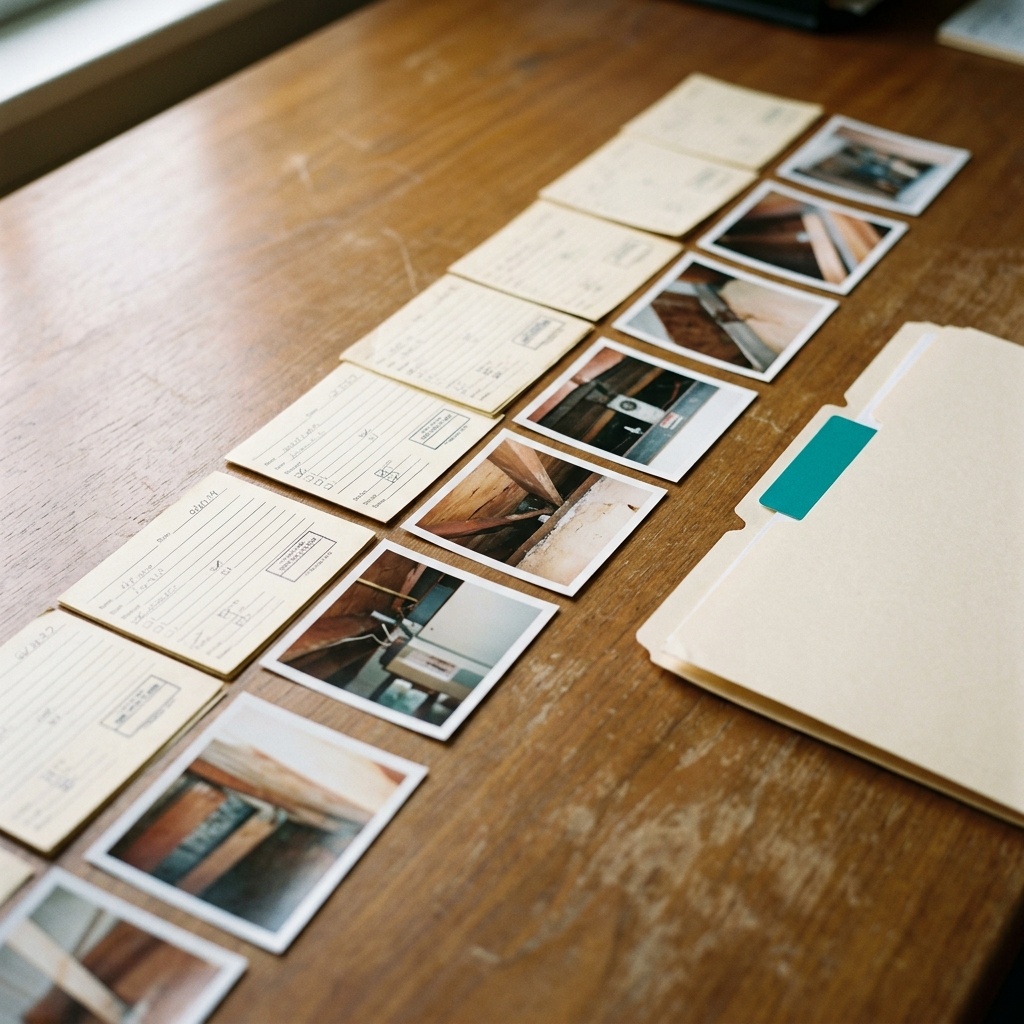
The value of one findable record is clearest when something is contested. At the Tenancy Tribunal the adjudicator does not visit the property. They decide on the evidence put in front of them on the day, and deductions have to be backed by condition reports, dated photos and invoices. Photographs without timestamps, or without a written record to anchor them, are easy to argue against. The party with the complete, dated record usually prevails.
Healthy Homes works the same way. You are expected to keep the records that show compliance and to produce them on request, and a signed compliance statement belongs on new and renewed tenancies. HomeReview does not carry out the assessment or issue the certificate. That stays with the licensed assessor. What it does is hold the certificate, the receipts and the photos cleanly in the property file, so when the record is asked for it is already there. For the full regulatory picture, our 2026 NZ property manager compliance guide runs the main obligations as one monthly rhythm.
Making the switch this month
You do not need a project plan to get off spreadsheets. You need one afternoon and a clear order of operations.
- Export what you have. Pull your current property list out of whatever spreadsheet or system holds it today.
- Import it in one step. Upload the file, let it build your portfolio, then spot-check the results file it hands back.
- Link your current tenants. Attach each active tenancy to its property so the record is complete from the first day.
- Turn on inspection reminders. Set a routine inspection frequency so the next visit is already on the calendar rather than in the back of your mind.
_Sources: Tenancy Services (tenancy.govt.nz), Ministry of Housing and Urban Development (hud.govt.nz). As at July 2026._
Leave a Comment
0 Comments