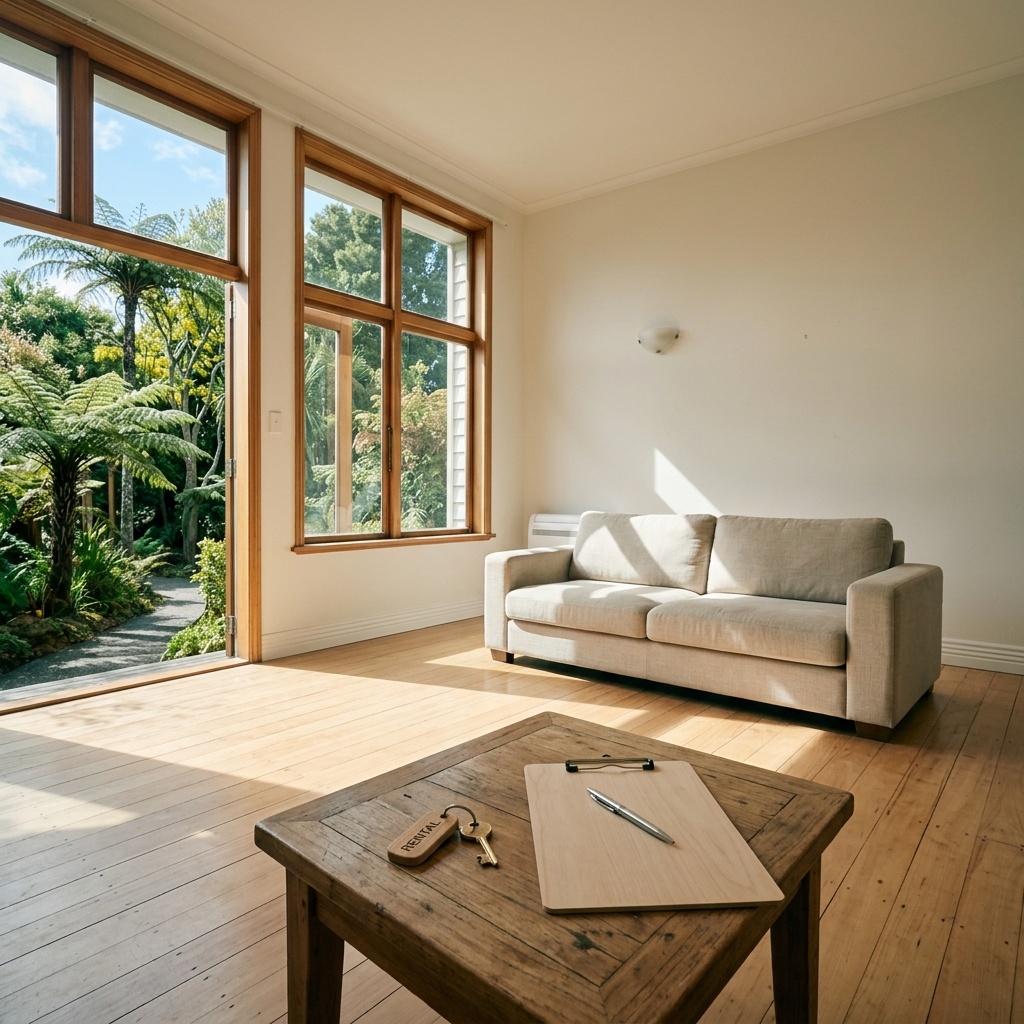
A clean pre-move-in inspection ends with the property manager walking out with a baseline that will hold for the next twelve months. Every surface photographed, every component categorised, any sign of damp flagged. A Property Rating set on the file and a property profile that the next year of work runs against.
That is what a well-run pre-move-in looks like. The hour or so spent before the tenant arrives is the most leveraged hour of the whole tenancy, because every inspection that comes after it is a comparison.
The instinct most agencies start from is the opposite. The pre-move-in is the inspection that gets rushed, abbreviated, or skipped entirely on tenant turnover days, because the property is empty, the keys are about to change hands, and nobody is asking for it yet. The cost of that habit does not show up in week one. It shows up at month three, when the routine inspection has nothing to anchor against.
This guide walks through why the pre-move-in deserves the time, what HomeReview captures during it, how the Property Rating gets set, and how every later inspection compares back to it. The answer to "what changed between visit one and visit two" lives in the quality of visit zero.
Why the pre-move-in is the most valuable inspection of the tenancy
The pre-move-in inspection is the only one in the whole tenancy with nothing to compare against. Every later inspection holds two records side by side and asks what has changed. The pre-move-in holds one record and decides what counts as the starting state.
That asymmetry is what makes it valuable. A 3-month inspection that flags a wall mark only matters if the pre-move-in either showed the mark already there or showed a clean wall. A 9-month inspection that flags rising moisture in a corner only matters if the pre-move-in either captured the same corner dry or already wet. Without the baseline, the inspector at month 3 or month 9 is looking at the surface and making a judgement call about whether what they are seeing is new. That is guesswork, not change-detection.
A property manager at a 200-property Christchurch agency runs hundreds of these comparisons across a year. A self-managing Wellington landlord with four units runs a handful. The arithmetic is the same. The inspection that makes those comparisons defensible is the one taken before anyone moved in.
What a pre-move-in produces
The headline figure
A live rating, set from the pre-move-in inspection and stored on the Property Profile. The starting score every later visit is read against.
The reference set
Photo and video coverage of every space, with AI component categorisation and damp signals flagged. The record every later inspection reads back to.
The 12-month engine
Every routine inspection at month 3, 6, 9 and 12 lands as a delta against this baseline. Change is detected, not guessed.
What HomeReview captures at pre-move-in
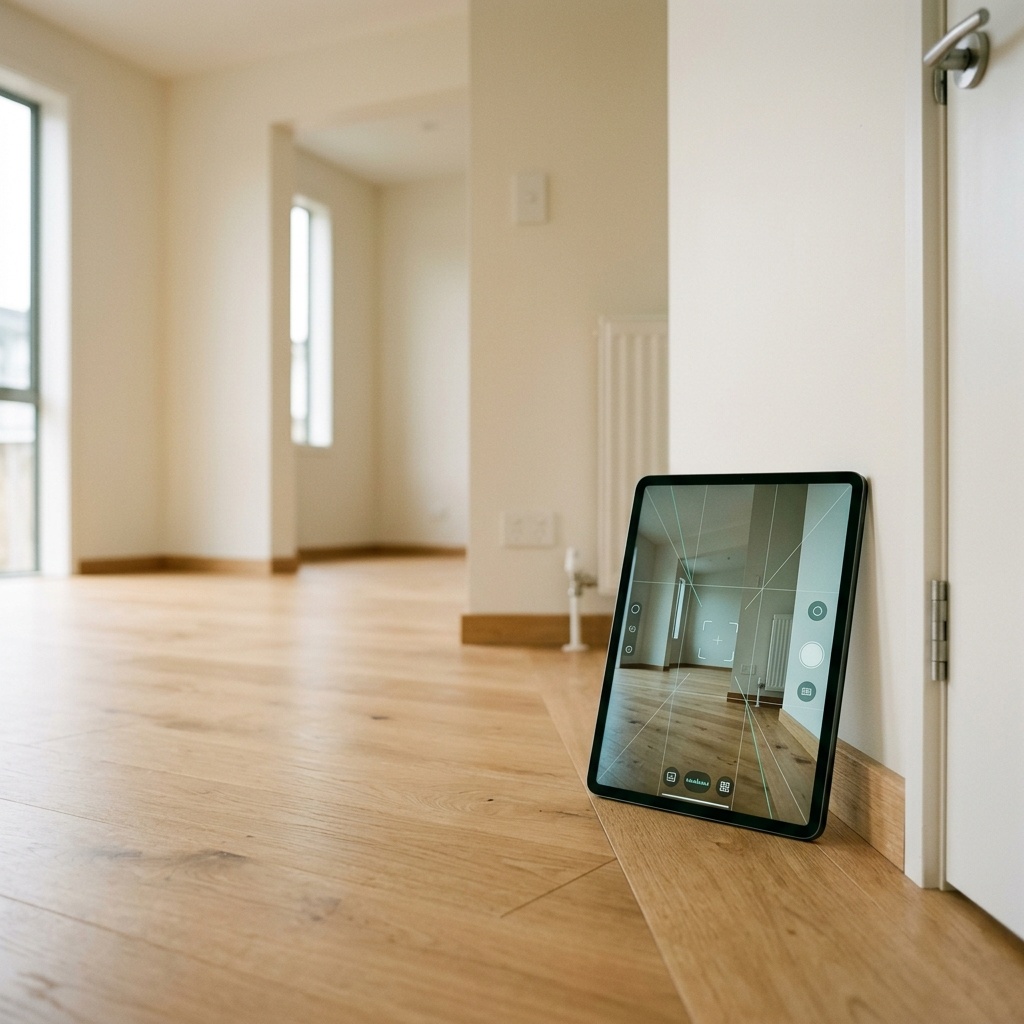
A clean capture takes about an hour and produces a record the rest of the year reads from.
The pre-move-in capture sits inside the HomeReview workflow rather than in a separate inspection app or a phone camera roll. The system schedules the inspection automatically as part of property setup, prompts the inspector at the right time, and walks the capture through the same sequence every time: full-room photo first, surface-by-surface coverage second, fixture and fitting close-ups third, short video sweep last. Whether the next pre-move-in happens at a 30-property Auckland agency or a self-managing Wellington portfolio, the shape is the same.
What sits behind the capture is the work that lifts it from a folder of photos to a baseline. As the inspector adds images, the AI component categorisation tags the elements visible in each photo: walls, ceilings, floor surfaces, joinery, fixtures, kitchen and bathroom fittings. The same components carry consistent labels visit-to-visit, so the 3-month inspection of the same room reads against the same components rather than against the inspector's notes alone.
Damp detection runs over the imagery in parallel. Where the AI sees patterns consistent with moisture (a darkness pattern at a wall-floor junction, a discolouration at a ceiling corner) it flags them on the record. The flag is a signal for the inspector to look closer. It is not a Healthy Homes certification. That work remains with the licensed assessor, and HomeReview holds whatever certificate they deliver alongside everything else on the property file.
What the file looks like at the end of this step is a structured capture. Photos, video, AI-tagged components, dated damp flags where present, and the inspector's notes. One Property Profile, one capture set, ready for the Property Rating to be set on top of it.
How the Property Rating gets set

The Property Rating is a single live figure on the Property Profile. The pre-move-in is what sets it.
Once the capture is complete and the AI categorisation and damp signals have settled, HomeReview generates the Property Rating from the captured set. The rating reads the structured outputs (component coverage, condition signals, damp flags, video completeness) and produces a single live figure on the Property Profile.
The rating is HomeReview's rating. It is not a regulated assessment, it is not a Healthy Homes certificate, and it does not substitute for either. It is an operational figure the agency uses internally to know how the property is performing and how it has changed since the baseline. The rating is visible only to authorised Property Managers inside the workspace.
Two things matter about the figure being live. First, it updates as later inspections feed new captures into the same Property Profile. A property whose 6-month inspection captures fresh damp will see the rating shift. A property where remedial work has resolved a damp signal will see the rating recover. Second, the rating is anchored to the pre-move-in. The starting figure is the reference. Every movement reads as a movement from that starting point.
For a 30-property Auckland agency, this is the portfolio view that turns "how are the properties holding up?" from a phone-around exercise into a glance at a dashboard. For a 200-property Christchurch agency, it is the early signal that says which fifteen properties need an inspector visit in the next month and which one hundred and eighty-five do not.
The privacy guardrail in inspection photos
Inspection photos are property records, not tenant records. The Office of the Privacy Commissioner has been consistent on the point for years: property managers should hold what they need for property purposes and exclude what they do not. A photo of a damp patch is a property record. A photo of a damp patch with a tenant's child standing in front of it is a tenant record. The first belongs on the property file. The second does not belong anywhere.
The pre-move-in is the easiest inspection to get right on this front, because the property is empty. There are no tenants in the frame, no possessions to navigate around, no cars in the driveway. The capture is clean by default.
The discipline that matters is what happens after move-in. At every later inspection in the 3, 6, 9 and 12 month cadence, the property is occupied, and the inspector has to capture the surfaces without capturing what does not belong on the file. HomeReview's capture flow applies privacy guardrails to the images: faces are blurred, vehicle plates are blurred, and identifying personal items are excluded from the stored record. The inspector still gets the comparison they need. The property file stays clean.
The framing the OPC has set out is straightforward. Specific, proportionate, with a clear purpose. The pre-move-in baseline is the cleanest version of that framing, and every later inspection inherits the same standard.
How the 3/6/9/12 month cadence compares back to this baseline
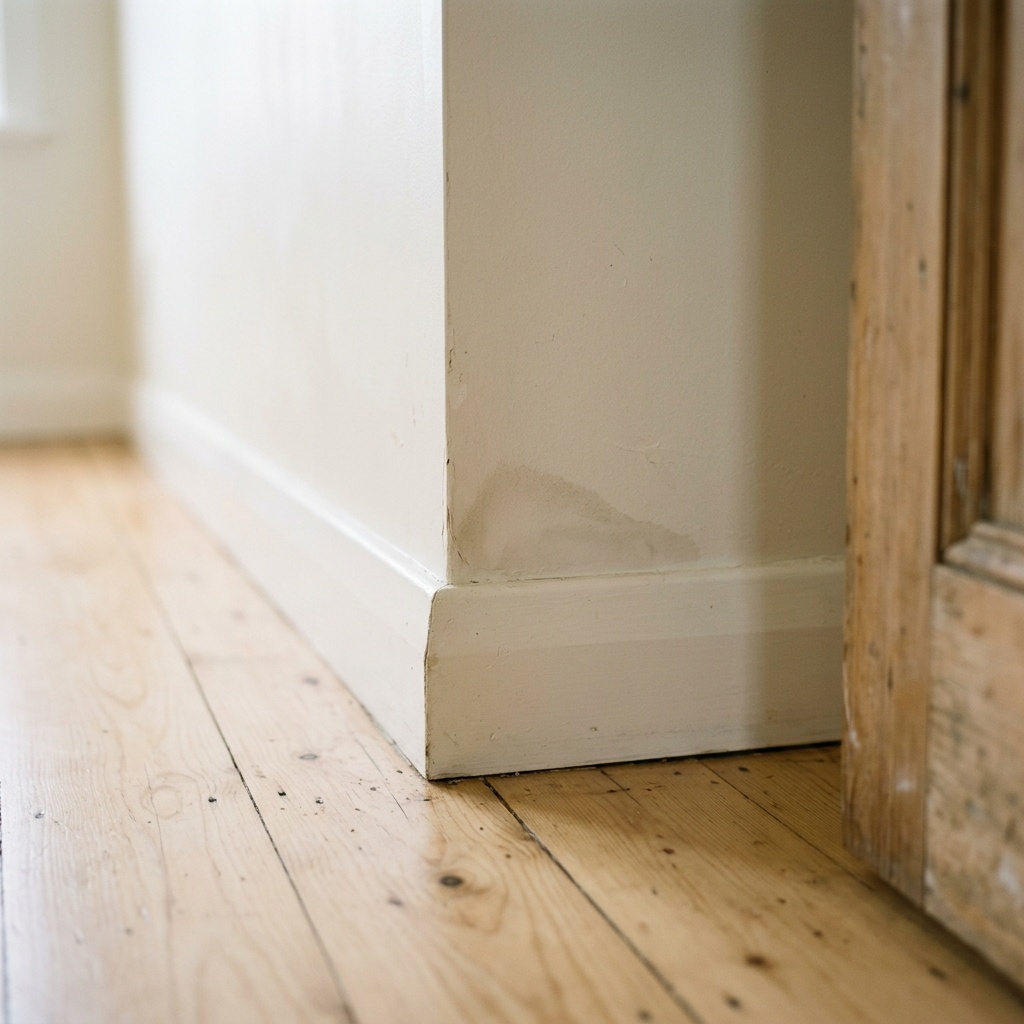
Every inspection at month 3, 6, 9 and 12 reads back to the pre-move-in capture. The Property Rating moves with it.
The 3-month inspection is the first comparison. The same rooms, the same components, the same AI tags, and a short delta read against the pre-move-in. Where the capture set matches, the inspection closes cleanly. Where a component reads differently (a mark on a wall that was not there, a damp signal that was not present, a fitting that has shifted) the inspector sees the difference flagged and the Property Rating reflects it.
The cadence keeps the same shape at month 6, month 9, and month 12. Each inspection is a delta read against the same baseline. Each one feeds the Property Rating. By month 12, the property has a comparison record across five inspections, all anchored back to the same starting set.
This is the engine the rest of the year rests on. Healthy Homes evidence at signing, defensible documentation for the new Residential Property Manager regime, and a clean condition file for the Tenancy Tribunal if a dispute arises. None of these are HomeReview features in isolation. They are the by-product of the 3, 6, 9 and 12 month cadence working against a clean pre-move-in baseline, and they sit inside the 2026 compliance picture for NZ property managers as the practical answer to "show me your records".
_Sources: Tenancy Services (tenancy.govt.nz), Office of the Privacy Commissioner (privacy.org.nz)._
Leave a Comment
0 Comments