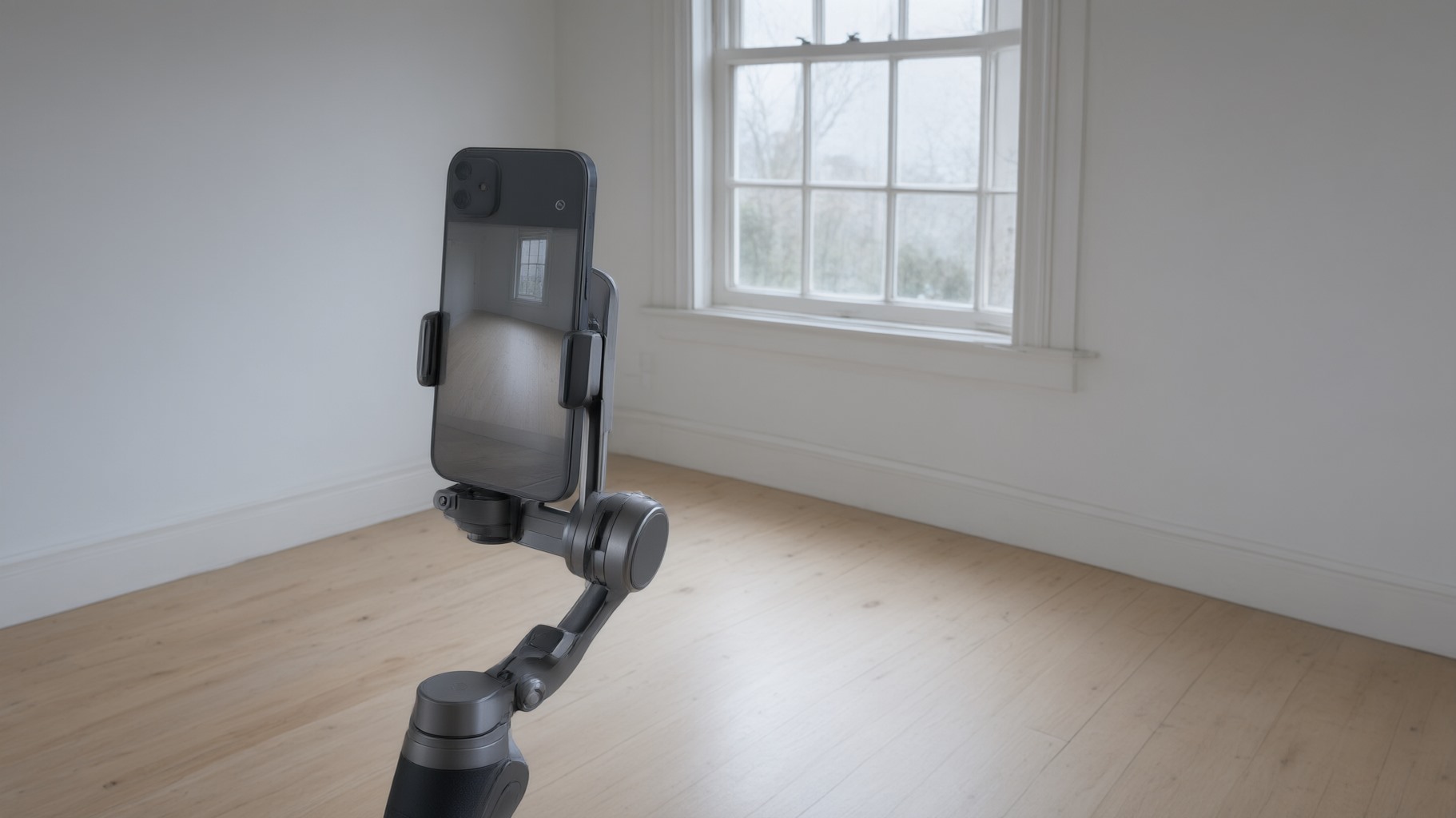
A good condition report in New Zealand has always had the same shape. Tenancy Services describes it: a report completed at the start of the tenancy, signed and dated by both sides, photos at every inspection after that, and new damage found by comparing what is there now against what was recorded on day one. A property manager with 150 properties who can produce that for every one of them, on time, is doing the job well.
The lazy reading of AI video inspection is that it replaces the manager. Point the phone, let the software decide, argue with the output later. Nobody who has sat through a bond dispute wants that, and it is not what the technology does.
What vision AI changes is how the record gets made. A phone walkthrough becomes a room-by-room report with a time on every finding and the move-in condition sitting next to it, and the manager's hours go to the decisions that still need a person.
Key Takeaways
- Vision AI reads the frames of a walkthrough video, not just the audio, and every finding is tied to the second of footage it came from.
- The pre-move-in walkthrough is the baseline. Every later inspection is compared against it.
- One issue is one record for the life of the property, however many inspections see it.
- The software finds and dates; the manager decides fair wear and tear, and publishes.
What the Camera Sees, and What the Model Is Told
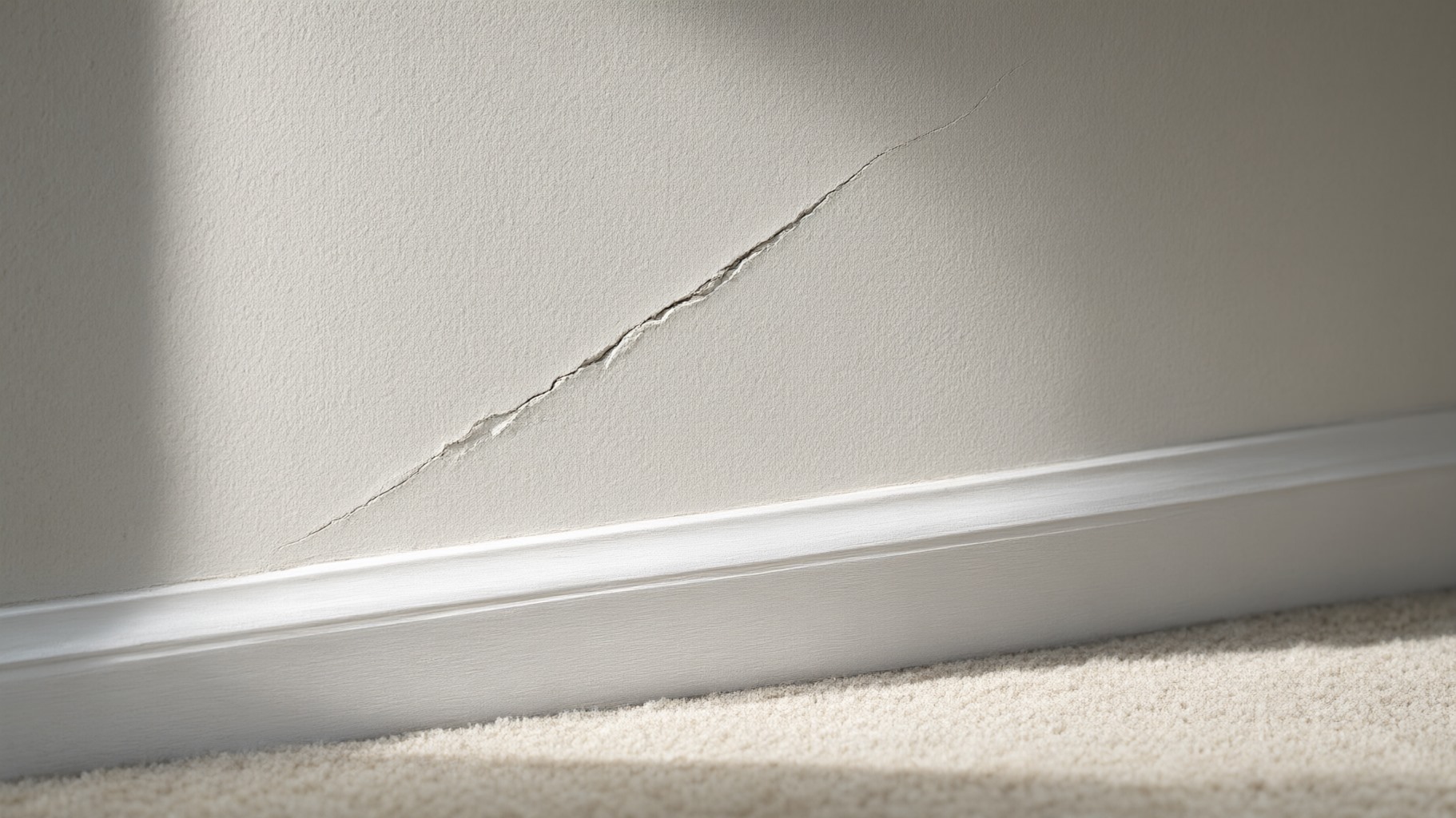
Good practice is a finding you can point to. Not "some marks in the hallway" but this crack, on this wall, at this second of this video, on this date.
That is what frame-based vision produces. The software pulls still frames from each room's clip, labels every frame with its own time, and sends them to a vision model along with a fixed list of the items that room is known to contain: walls, floor, windows, benchtop, oven. The model reports against that list. A crack in the tile comes back as a crack in the tile, not as a paragraph someone has to interpret later.
Each finding keeps the frame it came from. If the person filming says "the extractor fan has stopped working" but never points the camera at it, the report records that it was heard, not seen, and attaches no picture. In our own testing, most of the faults in a ten-minute walkthrough were only ever mentioned aloud, which is why narration is kept as a second channel of evidence rather than thrown away.
From a Phone Walkthrough to a Dated Condition Report
A walkthrough is not one job. It is three, depending on where in the tenancy it sits, and the software asks the model a different question each time.
The question changes with the stage of the tenancy
Manager records
What is in each room and what condition is it in. This becomes the baseline the whole tenancy is measured against.
Tenant records
The 3, 6, 9 and 12-month rounds. What is new since last time, and has anything already known got worse.
Manager records
Each item against its own move-in condition. The output is a list of candidate bond deductions, not a decision.
The pre-move-in round matters most, and it is the one with nothing to compare against. Tenancy Services puts it plainly: a tenant can't be blamed for any damage that was recorded when the tenancy started. A walkthrough filmed before the keys change hands, with every room covered, is that record. The mechanics are in our guide to pre-move-in inspections.
One design choice is worth knowing about. A crack that appears in month three is one record. The six-month round sees it again and notes whether it has changed. The final sees it again. It is never six separate findings, so it can never be charged for six times, and the tenant's rating is marked for it once, on the day it first appeared.
Accuracy: What It Gets Right and Where It Still Needs You

Good practice is knowing exactly where the software stops and the manager starts. AI inspection software is good at the tedious part: watching every second of every clip, noticing that a scuff was not there last time, and writing it up with a timestamp. It is not the one who decides whether a scuff is damage.
Some of its limits are honest and permanent. A room filmed in poor light comes back marked as failed, not scored; the software does not invent a condition for a room it could not see. A fault that is mentioned but never shown gets no photo. A dark stain on a carpet can be reported, but whether it is fair wear and tear or careless damage is a judgement Tenancy Services places on the landlord, who has to prove it is not wear and tear. Even then, liability for careless damage is capped at four weeks' rent or the insurance excess, whichever is lower.
So every finding waits for the manager. Each one is classified as tenant, owner, fair wear and tear or maintenance before a report can be approved, and only the tenant-classified ones go anywhere near a bond claim. If the manager disagrees with the AI, the correction is added on top of the record with the original still underneath it. Nothing is edited out.
Privacy: Filming the Property, Not the Tenant
The Privacy Commissioner is clear that landlords and property managers have a lawful purpose to collect information about a rental property during an inspection, and equally clear on the limits. Photos should show the property, not the tenant's personal items. They should be stored securely and shared only for purposes connected to the inspection. A tenant can ask to see them.
Video makes this easier in one way and harder in another. Easier, because in HomeReview the routine rounds are recorded by the tenant, in their own time, and the analysis reports on walls, floors and fittings rather than what is on the shelves. Harder, because a video is a richer thing than a photo, and whoever is filming should keep the camera on the property. Say in the tenancy agreement that inspections are recorded and what the footage is used for. The Privacy Commissioner's landlord guidance is the reference, and it sits alongside the rest of the year's obligations in the 2026 compliance guide.
Tribunal Readiness Means the Evidence Is Already in Order
Good practice is a bond dispute you could file tomorrow without hunting for anything. The Tenancy Tribunal accepts photos, videos, inspection reports and audio files as evidence, and since 1 January 2026 almost every document given to the Tribunal is shared with the other party. The application fee moved to $29 on 1 July 2026. None of that is the expensive part. The expensive part is a manager's afternoon reconstructing a timeline from a camera roll.
- 01
A dated baseline
The pre-move-in report, with the frame each item's condition was read from, is the document Tenancy Services tells you to compare against at the end.
- 02
A finding with a time on it
Each issue names the inspection, the room, the item and the second of footage. It is already the before and after a hearing turns on.
- 03
A history that was never edited
Corrections sit on top of the original. Anyone reading the file sees what the AI found, what the manager changed, and when.
This is not legal advice, and HomeReview does not decide disputes. It holds the record so that when a dispute does come, the record is the easy part.
Three Moves Before Your Next Inspection Round
- 01. Film the baseline properly. The pre-move-in walkthrough is the one that cannot be redone. Every room, a steady camera, decent light, and say what you see as you go.
- 02. Decide who classifies. Every finding waits for a person. Agree in the office who triages routine rounds and who signs off finals, so reports do not sit unapproved.
- 03. Put recording in the agreement. Tell tenants at the start that inspections are recorded, what the footage is used for and how they can ask to see it.
Frequently Asked Questions
Is an AI video inspection accepted by the Tenancy Tribunal? The Tribunal accepts videos, photos and inspection reports as evidence. What matters is that the record is dated, clear and shared with the other party before the hearing. The software organises it in that shape; it does not make the argument for you.
Does the tenant have to film the routine inspections? In HomeReview the 3, 6, 9 and 12-month rounds are recorded by the tenant in the tenant app, and the pre-move-in and final rounds stay with the manager. The rules on inspection frequency and notice still apply to any visit.
What happens when the AI gets something wrong? The manager corrects it before the report is published, and the correction is recorded alongside the original finding. Nothing reaches the tenant until the manager approves it.
_Sources: Tenancy Services (tenancy.govt.nz), Office of the Privacy Commissioner (privacy.org.nz). As at September 2026._
Leave a Comment
0 Comments