
A property manager running 120 properties should be able to take on the next twenty without hiring, without working Saturdays, and without a single routine inspection slipping. That is what good looks like. The cadence runs itself, the record builds itself, and the manager's hours go to work that genuinely needs a person.
The usual reading is that growth is a headcount problem. Add properties, add a manager, add a car. It feels responsible, but it fixes the margin where it is today, because the new manager inherits the same manual week as the last one.
The agencies growing cleanly in 2026 have separated the two. They use property management software to carry the routine load, so a bigger portfolio means more properties on the schedule rather than more hours in the week.
Key Takeaways
- The brake on growth is hours: travel, chasing and reporting scale with the portfolio.
- Automated 3, 6, 9 and 12-month scheduling removes the diary work.
- Tenant-recorded walkthroughs replace most routine site visits.
- One file per property and multi-agency access keep a bigger portfolio on one login.
The Real Cost of Growth for NZ Property Managers
Good practice is a portfolio where every property is inspected on time and the record is complete, however many there are. The cost of getting there is rarely the licence. It is the hours. Just over 1.5 million people lived in rental housing at the 2023 Census, and every one of those homes needs an inspection cycle, a condition record and someone who can answer for both.
The inspections themselves are bounded by the rules: no more than once every four weeks, with at least 48 hours' notice. The admin around them is not. A 30-property Auckland agency absorbs it. At 150 properties it becomes a second job nobody was hired for.
Where the Hours Actually Go in a Typical Week
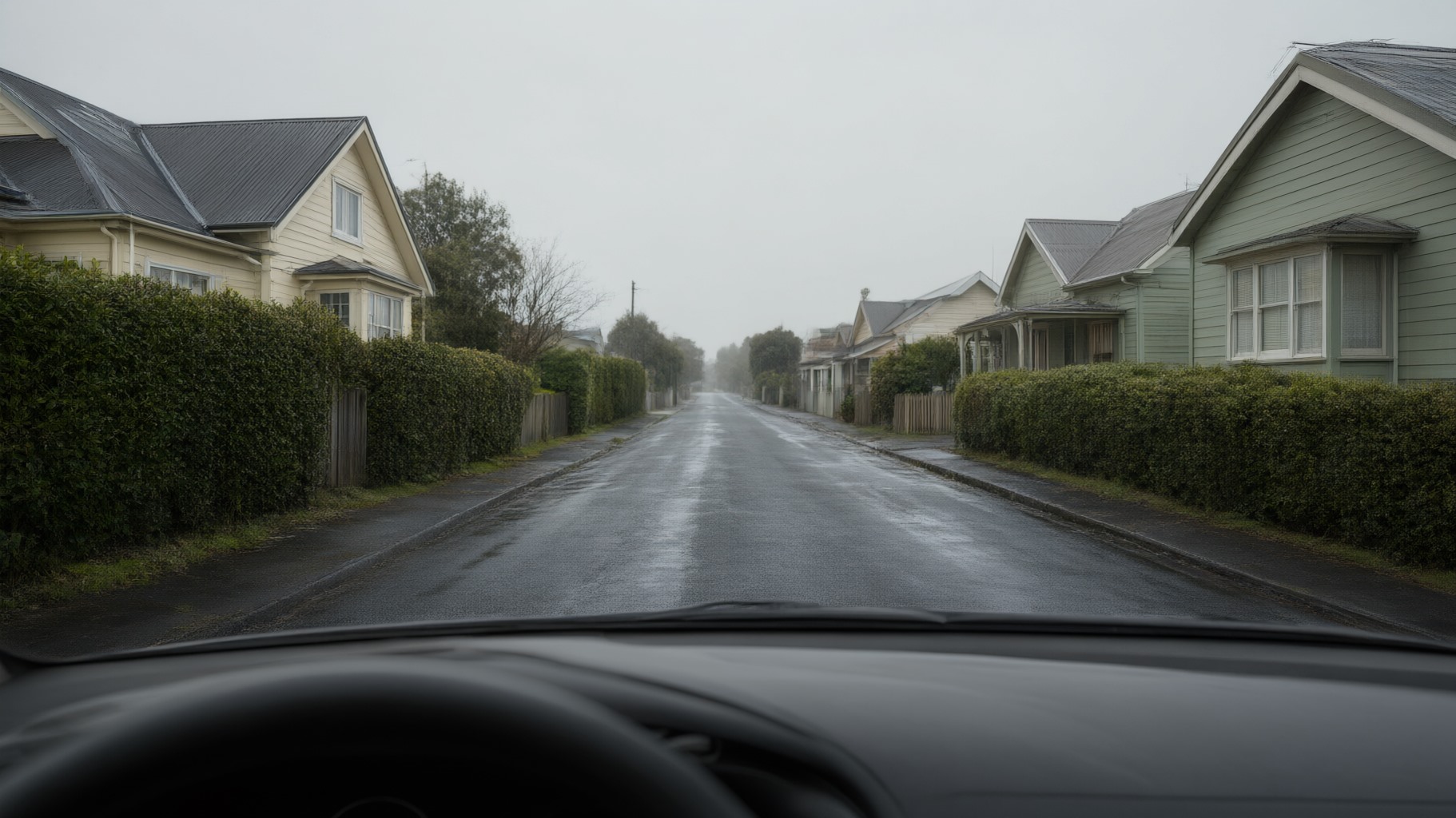
Three tasks that grow with every property
Scales with distance
Cross-town trips for a routine look at a property that is usually fine.
Scales with tenants
Calls, texts and reschedules to land a 48-hour notice on a date the tenant can make.
Scales with paperwork
Photos off a phone, notes into a template, files hunted down on a shared drive.
None of it is skilled work. All of it is why a manager who could handle 200 properties is stuck at 120.
Four Ways Property Management Software Buys Back Time

The goal isn't fewer inspections. It's less time spent carrying them out.
Automated 3, 6, 9 and 12-month inspection scheduling
Once a tenant is linked to a property, HomeReview generates the whole inspection plan for the tenancy up front. Each inspection opens on its date, notifies the tenant, and closes when the report is approved. The schedule is the diary.
Tenant-recorded walkthroughs instead of manager site visits
For routine inspections, the tenant records a short video walkthrough room by room in the tenant app. The AI vision pipeline turns the footage into a structured condition report and compares it with the previous inspection, flagging what has changed. The manager reviews from the desk and drives out only when something needs a person on site. Pre-move-in and final inspections stay with the manager.
One durable property file instead of scattered records
Every inspection, photo and issue attaches to the property it belongs to. A crack first logged two tenancies ago is one entry with a history, not six separate notes. Reports draw from that file, so monthly reporting is a click rather than an afternoon.
Bulk CSV import for onboarding a new portfolio
Taking over a rent roll used to mean weeks of data entry. A CSV import brings properties, tenants and managers across in one pass and hands back a results file showing what came in. The step-by-step is in our guide to moving off spreadsheets.
Managing Multiple Agencies or Portfolios From One Login
For businesses managing multiple agencies, branches or portfolios, switching between separate systems creates unnecessary admin. HomeReview brings them under one login while keeping each agency's properties, tenants and records separate. Managers can switch between the agencies they have access to without mixing data between them. The detail is on the features page.
What to Look for When Choosing Property Management Software in NZ
Any tool that saves hours should also hold the record you will be asked for.
- 01
Compliance alignment
Every private rental has had to meet the Healthy Homes standards since 1 July 2025, with records due to a tenant within 21 days. The Privacy Commissioner says collect only what is necessary. A light-touch regime for property managers was announced in March 2026 and is not yet law. The software holds the records; it certifies nothing.
- 02
Secure, two-factor-protected access
Tenant and property records are personal information. Two-factor authentication and role-based access are the minimum, not a premium feature.
- 03
A clear migration path off spreadsheets
If bringing your portfolio across needs a project plan, the saving is already gone. Look for a single-pass import with a results file you can check.
A Simple Framework for Planning Your Next 12 Months of Growth
- 01. Audit the admin hours per property. For one month, log time spent on travel, booking and reporting, then divide by the portfolio. That is the true cost of each property you hold.
- 02. Estimate the hours each automated step returns. Scheduling removes the booking time. Tenant-recorded inspections remove most of the travel. One file removes most of the compiling. Count only what you would genuinely stop doing.
- 03. Set a target the hours can carry. Multiply the hours returned by your portfolio, divide by the hours a new property costs, and that is your headroom without another hire.
Frequently Asked Questions
How much time can property management software actually save? It varies by portfolio, but the largest gains come from removing routine site visits and manual report compilation, because both grow with every property.
Is multi-agency software suitable for a small independent landlord? Yes. Plans scale from an independent landlord to a large agency on the same platform. See pricing.
How long does it take to migrate an existing portfolio? The import is a single pass: one CSV brings properties, tenants and managers across together. The time goes into preparing that file.
_Sources: Tenancy Services (tenancy.govt.nz), Office of the Privacy Commissioner (privacy.org.nz), Stats NZ (stats.govt.nz). As at September 2026._
Leave a Comment
0 Comments